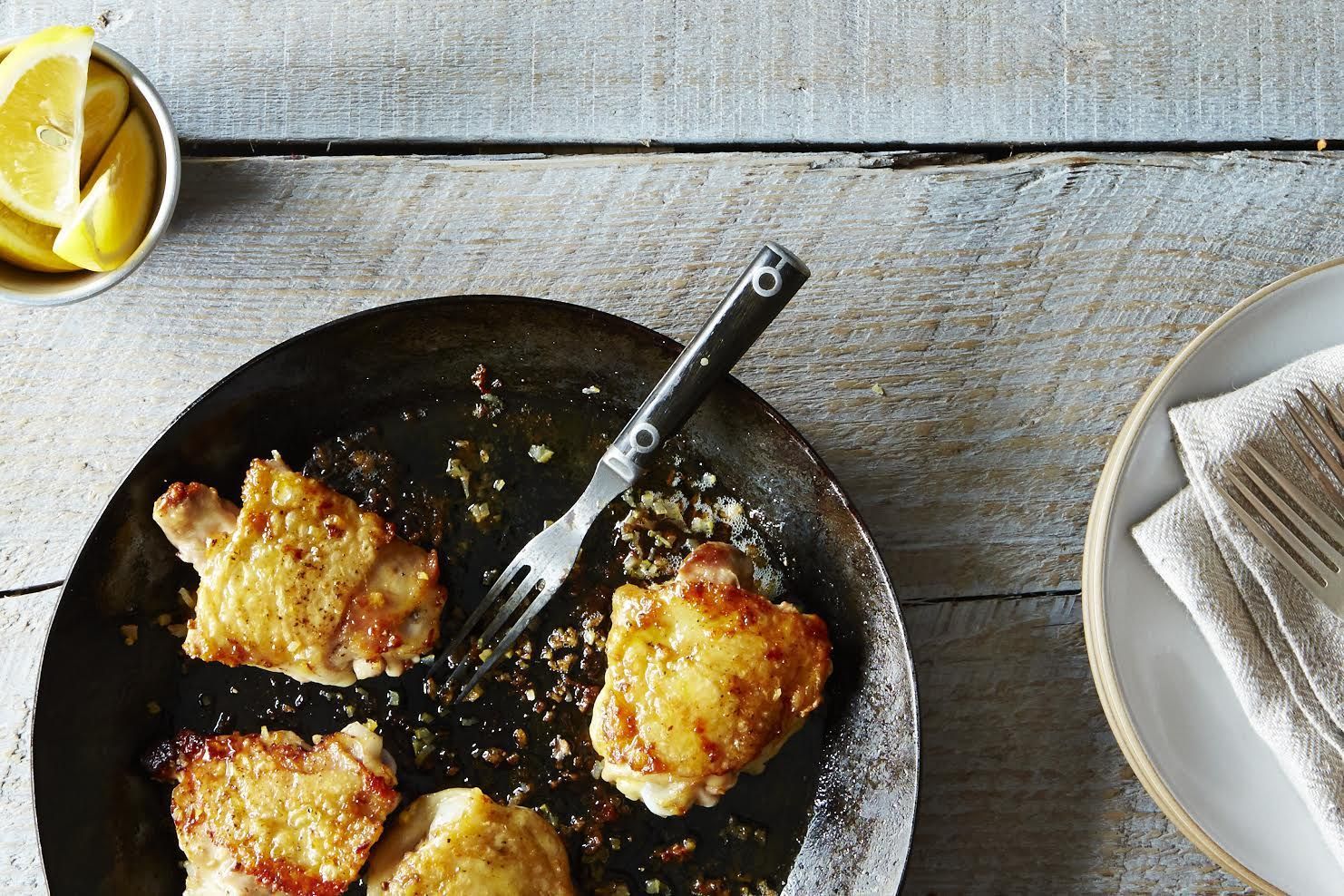
Master Crispy Chicken Thighs: The Genius Bottom-Up Method
Are you on a perpetual quest for the perfect crispy chicken thigh? That elusive combination of shatteringly crisp skin and impossibly juicy, tender meat? If your answer is a resounding yes, prepare to have your culinary world transformed. We're diving deep into a remarkable technique, often hailed as a "genius recipe," that redefines how you cook chicken thighs. This isn't about complicated marinades or fancy equipment; it’s about a simple, yet profound method, refined by the culinary masters at Canal House, that yields unparalleled results. Get ready to discover the magic behind the genius chicken lemon canal house technique.
Unveiling the "Genius" Bottom-Up Method for Chicken Thighs
Forget everything you thought you knew about cooking chicken thighs. The conventional wisdom often involves searing quickly on high heat, then finishing in the oven, or flipping frequently in a pan. While these methods can work, they rarely achieve the consistent, profound crispness and succulence delivered by what's known as the "bottom-up" cooking technique. This approach, beautifully streamlined by Melissa Hamilton and Christopher Hirsheimer of Canal House, focuses on one critical principle: patience and sustained contact.
The core idea is deceptively simple: you place bone-in, skin-on chicken thighs, skin-side down, in a skillet over medium heat and leave them virtually untouched for an extended period—sometimes up to 30 minutes. This isn't a quick sear; it's a slow, deliberate rendering of the fat. As the fat slowly melts away, the skin has ample time to crisp up to an extraordinary degree, transforming into a deep golden-brown, almost fried-chicken-like texture. Meanwhile, the meat beneath gently cooks in its own rendered fat, staying incredibly moist and flavorful.
This method draws inspiration from culinary luminaries like Paul Bertolli, who championed this "bottom-up" philosophy. Unlike Bertolli's broader application, Canal House honed it specifically for chicken thighs. Thighs are ideal because their flat surface maximizes skin contact with the pan, ensuring even crisping, and their inherent fat content makes them forgiving and flavorful. The result? A chicken dish so simple, yet so spectacular, that it often leaves seasoned cooks wondering, "How can this be so good?"
The Magic of Preserved Lemons: Elevating Simple to Spectacular
While the cooking method is genius, the flavor profile of this particular dish is equally compelling, largely thanks to one star ingredient: preserved lemons. If you've never cooked with preserved lemons before, prepare for a revelation. These aren't your everyday fresh lemons; they are lemons cured in salt and their own juices, resulting in a condiment that boasts an intense, complex, and deeply savory umami flavor with a subtle tang. The harsh acidity of fresh lemon is mellowed, replaced by a profound brininess and floral aroma that adds incredible depth without being overpowering.
When finely chopped and stirred into the pan drippings towards the end of cooking, preserved lemons transform the rich, rendered chicken fat into a vibrant, aromatic sauce. This simple addition elevates the humble chicken thigh to gourmet status, creating a harmonious balance of salty, savory, and bright notes. It's truly a testament to how five simple ingredients can come together to create something profoundly delicious. If you're curious to explore more about this incredible ingredient and other recipes, you might enjoy reading Preserved Lemon Chicken: The Simple Genius You Need to Try.
Your Step-by-Step Guide to Crispy, Juicy Perfection
Ready to experience the genius chicken lemon canal house for yourself? Here’s how to recreate this phenomenal dish in your own kitchen:
Ingredients:
- 1 tablespoon olive oil (or a neutral oil with a high smoke point)
- 8 bone-in, skin-on chicken thighs (about 2-2.5 lbs total)
- Coarse sea salt, to taste
- Freshly ground black pepper, to taste
- Half of a large preserved lemon, finely chopped (or 1 full small one)
- Lemon wedges, for serving (optional, but highly recommended)
Preparation:
- Prepare Your Pan: Select a large, heavy-bottomed skillet or cast-iron pan. This is crucial for even heat distribution and consistent crisping. Place it over medium heat and add the olive oil. Allow the oil to warm gently until it glistens – you don't want it smoking hot.
- Season the Chicken: While the pan heats, generously season both sides of your chicken thighs with salt and freshly ground black pepper. Don't be shy with the salt, especially on the skin side, as it aids in crisping.
- The Crucial Skin-Side Down Phase: Once the oil is ready, carefully place the seasoned chicken thighs into the skillet, skin-side down. Arrange them so they fit snugly in a single layer without overcrowding. This is where patience is key: resist the urge to move or flip them! Let them cook undisturbed for 15 to 30 minutes. The exact time will depend on your stove, pan, and the thickness of the thighs. You're looking for the fat to render out completely and the skin to become a deep, glorious golden-brown and wonderfully crisp. If you notice the skin browning too quickly or beginning to burn, simply reduce the heat slightly to medium-low.
- The Flip and Flavor Infusion: Once the skin is perfectly crisp and deeply colored, use tongs to carefully turn each thigh over. Now, scatter the finely chopped preserved lemon into the rendered fat in the skillet, spreading it around the pan so it can mingle with the drippings. Continue cooking the chicken, meat-side down, for another 10 to 15 minutes, or until the meat closest to the bone is cooked through and reaches an internal temperature of 165°F (74°C). The preserved lemon will infuse the pan drippings with its unique, savory brightness.
- Serve and Savor: Transfer the crispy chicken thighs to a serving platter. Spoon the fragrant, lemony pan drippings generously over each piece. Serve immediately with fresh lemon wedges on the side for an optional squeeze of bright, fresh acidity.
Beyond the Basics: Tips for Mastering Your Canal House Chicken
While the Canal House method is wonderfully straightforward, a few additional tips can help you achieve consistent perfection every time:
- Pan Choice Matters: A heavy-bottomed pan, especially cast iron, is non-negotiable for this recipe. It holds and distributes heat evenly, preventing hot spots that can lead to uneven browning or burning.
- Don't Overcrowd: If you have more than 8 thighs, cook them in batches. Overcrowding the pan will lower the temperature, steam the chicken instead of crisping it, and result in soggy skin.
- Pat Dry: Before seasoning, pat your chicken thighs thoroughly dry with paper towels. Excess moisture on the skin is the enemy of crispiness.
- Adjust Heat as Needed: While "medium heat" is a good starting point, every stove is different. Trust your senses. If the fat is sputtering violently or the skin is browning too fast, lower the heat. If it’s not browning at all, increase it slightly.
- Experiment with Seasonings: The beauty of this technique is its versatility. While preserved lemon is a classic, don't hesitate to experiment. Canal House themselves suggest variations with sherry and mushrooms, or you could try a sprinkle of fresh herbs like thyme or rosemary during the last few minutes of cooking.
- Serving Suggestions: This incredibly flavorful chicken pairs wonderfully with a simple green salad, crusty country bread to sop up those delicious pan drippings, or a side of steamed grains like couscous or rice. For more ideas on how to round out this meal, explore Canal House's Genius Chicken Thighs: 5 Ingredients, Big Flavor.
The "bottom-up" method for cooking chicken thighs, popularized by Canal House and amplified by the savory depth of preserved lemons, is a true culinary revelation. It demonstrates that sometimes, the simplest techniques yield the most spectacular results. With minimal ingredients and a bit of patience, you can consistently achieve chicken thighs with unbelievably crispy skin and succulent, juicy meat. This genius chicken lemon canal house recipe isn't just a meal; it's a testament to the power of thoughtful cooking. Give it a try, and prepare to be amazed!
